

Lisbon’s casino and gaming industry brings together operators, suppliers, regulators, and technology providers, making the city a useful setting for conversations about how online casino experiences are built. InOut Games is associated with casino game development, and its presence as inout games at sbc summit lisbon 2025 prompted discussion of game design, operator integration, player protection, and the role of industry events. This guide explains what players and industry visitors should keep in mind, while distinguishing a supplier showcase from a casino venue or a promise of access to a particular gambling service.
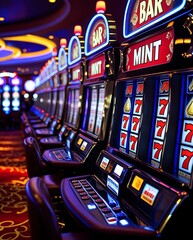
What players should know about InOut Games and casino entertainment
InOut Games is a gaming supplier, rather than a name that by itself identifies a licensed casino where visitors can open an account or place bets. Its casino-related work is best understood through the games and entertainment experiences it develops for distribution through operators. That distinction matters: the supplier may create a title, while a separate online casino decides whether to offer it, in which markets it is available, and what account, payment, and responsible-play rules apply. A presentation in Lisbon can therefore be relevant to the wider business of casino gaming without functioning as a public invitation to gamble.
For players, the practical questions are about the individual game and the operator hosting it. Check the game’s rules, available features, wager limits, and return information where provided, then review the casino’s licensing and terms independently. A title’s visual style or fast pace does not change the underlying uncertainty of gambling outcomes. Treat demonstrations at a trade gathering as product presentations, not as evidence that a game is available in every country or through every casino. Availability can depend on local law, the operator’s portfolio, and technical or regulatory approvals.
How to assess a casino game experience step by step
Whether encountering a supplier’s game in a demonstration or through an online casino, use a deliberate review process before playing. A short showcase may highlight interface and entertainment features, but it cannot replace checking the rules and the terms of the operator that provides access. The following steps help separate product impressions from practical conditions, so players can make informed decisions and avoid assuming that a feature shown in one setting will work the same way everywhere.
- Identify the provider: Confirm whether InOut Games is the game supplier and identify the separate casino operator offering the title.
- Check local availability: Make sure online gambling and the specific game are permitted where you live, and that the operator is authorized there.
- Read the rules: Review how a round works, the wager range, bonus mechanics, and any published return or volatility information.
- Review account terms: Check identity verification, deposit and withdrawal conditions, fees, and any limits set by the casino.
- Set personal limits: Decide in advance how much time and money you can afford to spend, and stop when either limit is reached.
- Provider and operator responsibilities are easier to distinguish.
- Game rules can be checked before real-money play.
- Local licensing and availability are considered rather than assumed.
- Time and spending limits support more controlled participation.
Practical details to examine at a Lisbon casino showcase
A casino industry showcase in Lisbon can put game suppliers in front of operators, studios, platform companies, and other professionals. InOut Games’ presence in that environment is most usefully assessed through what the presentation communicates about its products: how a game introduces its core mechanic, how clearly the interface displays important information, and whether the experience can be adapted for different devices and markets. The event setting is not itself a casino floor, and attendance does not establish that a visitor can play for money. Product demonstrations are generally intended to illustrate capabilities and invite business discussion.
Visitors and readers can focus on concrete questions instead of relying on promotional impressions. Ask how game rules are presented, what information is available to operators, and which technical or regulatory conditions may apply before distribution. For players encountering a title later, the relevant details should be checked on the casino’s own game page and in its terms. These checks are particularly important when a presentation emphasizes speed, special rounds, or interactive features, since excitement can distract from the wager structure and the fact that each outcome carries risk.
- Demonstration scope: Note whether a display is a product preview, a test environment, or a live game supplied by an operator.
- Game information: Look for accessible rules, bet limits, feature explanations, and other relevant disclosures.
- Device experience: Consider readability and navigation on mobile and desktop screens without assuming identical performance.
- Market conditions: Ask which jurisdictions and operator approvals are required before a title can be offered.
These details help explain how a casino game moves from supplier concept to a player-facing product. A polished demonstration can show the intended experience, but only the casino offering the game can confirm its current availability, account requirements, and applicable local terms. Keeping that distinction clear makes a Lisbon industry presentation more informative for both professionals and consumers.
Key benefits of a well-presented casino game
A supplier showcase can help explain why a particular casino title may interest operators and players, especially when the presentation makes its features easy to understand. Strong design is not simply visual decoration: clear menus, legible controls, and understandable round mechanics can make it easier to follow what is happening. At the same time, entertainment value should be considered separately from the chance of winning. No interface, theme, or feature removes gambling risk, and a supplier’s product claims should be read alongside the independent rules and terms provided by the casino operator.
- Clearer onboarding: A straightforward interface can make basic navigation and game controls easier to learn.
- Distinctive presentation: Consistent visual and audio design can give a title a recognizable identity.
- Operator integration: Supplier technology can allow casinos to add games within their existing platforms, subject to approvals.
- Flexible access: Designs suited to different screen sizes may support a smoother experience across devices.
For operators, these features can be useful when selecting content that fits their platform and audience. For players, the same qualities are worthwhile only when paired with accessible rules, fair and transparent terms, and responsible gambling tools. A game can be engaging without being suitable for every person or every budget. The best evaluation balances presentation with practical information and recognizes that gambling should remain entertainment, never a means of earning income or recovering losses.
Trust, licensing, and responsible casino play
Trust in an online casino experience depends on more than the name of a game supplier. Players should verify the casino operator’s license with the relevant regulator, confirm that the license covers their location, and read the operator’s policies on deposits, withdrawals, identity checks, complaints, and data handling. A supplier showcase in Lisbon cannot certify an operator or guarantee that a game is legally available in a particular market. Regulatory requirements and product approvals differ, so claims about authorization should be checked against official sources rather than inferred from event attendance or promotional material.
Responsible play is equally important. Before wagering, set a firm budget using money that is not needed for bills or essentials, choose a time limit, and use account tools such as deposit limits, time reminders, or self-exclusion when available. Do not chase losses, borrow to gamble, or treat a game’s animations and bonus features as signs that a win is due. If gambling stops feeling recreational, pause and seek support from a recognized local service. The casino operator is responsible for providing its own terms and available safety controls; players should review them before creating an account or depositing funds.

Why consider InOut Games in the casino industry
InOut Games is relevant to a discussion of casino entertainment because suppliers help shape the titles that operators may choose to distribute. A Lisbon presentation can offer a window into that business: product concepts, user-interface decisions, and conversations about integration and market requirements. For a player, however, the supplier is only one part of the decision. The specific casino, its license, the game’s rules, and the player’s own limits all deserve independent attention. Understanding these roles prevents a trade showcase from being mistaken for a licensed gambling service or a guarantee that a particular title can be played locally.
When considering a game associated with InOut Games, use the operator’s official information to confirm availability and terms, and take time to understand how the game works before wagering. If the rules or conditions are unclear, do not deposit simply to find out. A measured approach lets players judge the entertainment on its merits while keeping financial risk in view. The most useful casino experience is one supported by transparent information, lawful access, and personal boundaries that remain firmly in control.
